
Liquidity Is the Product: Why Moving Money Is Really a Liquidity Problem
Discover why fast payments depend on efficient liquidity management, and how modern payment infrastructure is redefining cross-border settlement.
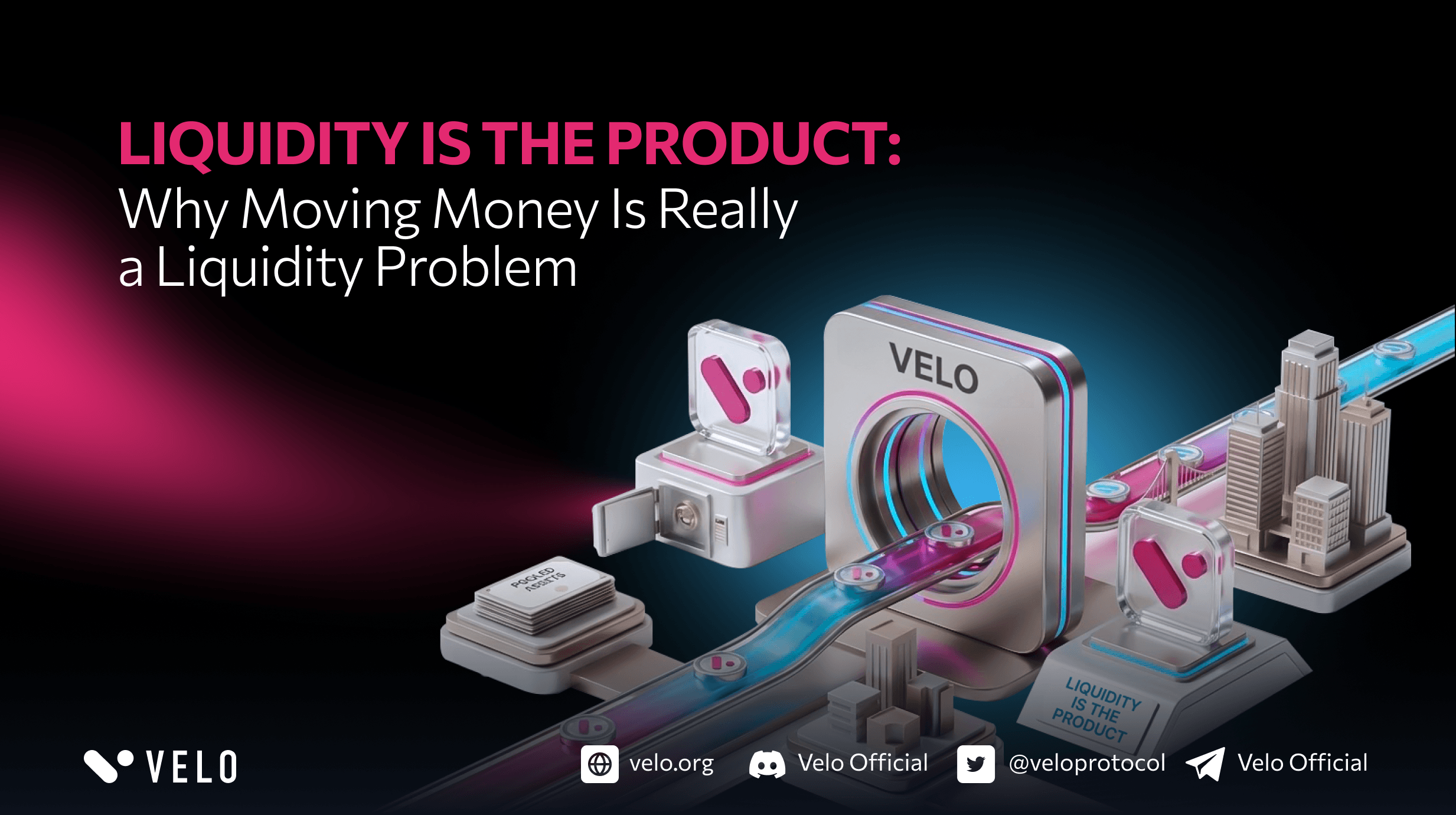
Liquidity Is the Product: Why Moving Money Is Really a Liquidity Problem
When people talk about payments, the conversation usually centres on speed. How quickly can money arrive? How much does a transaction cost? Can payments settle in real time? These are important questions, but they often overlook the factor that makes all three possible: liquidity. Behind every successful payment is a network ensuring funds are available where and when they're needed. Without sufficient liquidity, even the most advanced payment systems can't move value efficiently.
Every Payment Depends on Liquidity
Imagine a business in Singapore paying a supplier in Vietnam. On the surface, it's a simple transfer. Behind the scenes, however, funds may need to move across different currencies, banking partners, payment networks, and settlement systems before they reach the recipient. The transaction only succeeds if liquidity is available throughout that journey. When liquidity is fragmented or inefficiently managed, payments become slower, more expensive, and more complex.
Why Liquidity Matters
Liquidity affects far more than settlement speed. It influences how much capital businesses need to hold, how efficiently foreign exchange is executed, and how quickly payments can be completed across different markets. For payment providers and financial institutions, managing liquidity effectively means reducing idle capital, lowering operational costs, and improving the overall customer experience. In other words, better liquidity doesn't just improve payments—it makes the entire system more efficient. The Challenge of a Connected Financial World
Global payments are becoming increasingly complex.
Businesses now transact across multiple currencies, payment networks, and digital assets, while customers expect transactions to happen instantly, regardless of geography or time zone. Meeting those expectations requires more than faster payment rails. It requires infrastructure that can intelligently manage liquidity across different markets and financial systems. This is where the next generation of payment infrastructure is emerging.
How Velo Approaches Liquidity
At Velo, we believe liquidity is one of the most important building blocks of modern payments. Our infrastructure is designed to help payment providers, financial institutions, and businesses access and move liquidity more efficiently, enabling faster settlement, streamlined foreign exchange, and smoother cross-border transactions. Rather than focusing solely on moving money from one point to another, we focus on ensuring liquidity is available where it creates the greatest impact.
Looking Ahead
As global commerce continues to evolve, the question won't simply be how quickly money can move. The bigger question will be how efficiently liquidity can be deployed across an increasingly connected financial system. Because in the future of payments, liquidity isn't just part of the product. It is the product.